.jpg)
Suboxone for Opioid Use Disorder: A Compassionate Guide to Recovery
Living with Opioid Use Disorder (OUD) can feel like being trapped in a cycle you can’t escape. The fear of withdrawal and the constant cravings can be overwhelming, but it is a cycle you can break. Suboxone is a highly effective, FDA-approved medication that has helped millions of people quiet the noise of addiction, manage their recovery, and reclaim control of their lives.
This guide will compassionately explain how Suboxone works, who it can help, and what you can expect from treatment. Recovery is possible, and you don’t have to do it alone.
1. What is Suboxone and How Does It Help?
Suboxone is a prescription medication used for Medication-Assisted Treatment (MAT). It's not a "cure" for addiction, but rather a powerful tool that helps restore balance to the brain, giving you the stability needed to focus on your recovery.
It contains two active ingredients that work together:
- Buprenorphine: This is the primary active ingredient. Buprenorphine is a partial opioid agonist. Think of your brain’s opioid receptors as locks. Drugs like heroin or fentanyl are like keys that fit perfectly, unlocking the door to intense euphoria and creating a powerful cycle of addiction. Buprenorphine is like a specially designed key that fits in the lock, turns it just enough to stop withdrawal and reduce cravings, but doesn’t open the door all the way. This "ceiling effect" means it satisfies the brain's need for opioids without producing the same dangerous high, making it much safer.
- Naloxone: This is an opioid antagonist (an opioid blocker). In Suboxone, naloxone is primarily there as a safety feature. When Suboxone is taken as prescribed (dissolved under the tongue), the naloxone is not absorbed well by the body. However, if someone tries to misuse the medication by injecting it, the naloxone becomes active immediately and blocks all opioid effects, triggering instant and severe withdrawal. This feature is designed to discourage misuse.
Together, these ingredients help you feel "normal" again, freeing you from the constant physical and mental burden of OUD so you can engage in counseling, rebuild relationships, and create a sustainable, sober life.
This video from American Addiction Centers explains how Suboxone works:
2. Who is a Good Candidate for Suboxone Treatment?
Suboxone is a life-changing option for many people, particularly those who:
- Have a confirmed diagnosis of Opioid Use Disorder (OUD).
- Are ready to stop using illicit opioids like heroin or fentanyl, or misusing prescription painkillers.
- Want to avoid the severe physical and psychological distress of opioid withdrawal.
- Are committed to participating in a comprehensive recovery program that includes counseling and support.
Unlike naltrexone (Vivitrol), which requires a person to be fully detoxed for 7-14 days, Suboxone is designed to be started while you are in the early stages of withdrawal. It helps manage the withdrawal process, making it a much more accessible first step for many people seeking treatment.
3. What to Expect: The Suboxone Treatment Process
Starting Suboxone is a carefully managed process done in partnership with your healthcare provider. It typically involves three phases:
1. The Induction Phase: This is the most critical step. To start Suboxone safely, you must be in a state of mild-to-moderate withdrawal. This means waiting until you feel the clear signs of withdrawal (like body aches, anxiety, sweating, and yawning). If you take your first dose too early, while full opioids are still active in your system, the buprenorphine will "kick out" the other opioids and cause precipitated withdrawal—a sudden and severe withdrawal experience. Your provider will guide you on exactly when and how to take your first dose safely.
2. The Stabilization Phase: In the days and weeks following induction, you will work closely with your provider to adjust your dose until you find the amount that effectively eliminates your withdrawal symptoms and cravings without causing drowsiness or other side effects. The goal is to feel stable and clear-headed.
3. The Maintenance Phase: Once you are on a stable dose, you enter the maintenance phase. This is the long-term part of treatment where you continue taking Suboxone daily while focusing on the psychological and social aspects of recovery through therapy and support groups. The duration of this phase is personalized and lasts as long as the medication is benefiting you.
4. Your Safety is Our Priority: Suboxone Risks and Side Effects
SobrietyMeds is committed to your health and safety above all else. While Suboxone is much safer than illicit opioids, it is still a powerful medication with risks that must be understood and respected.
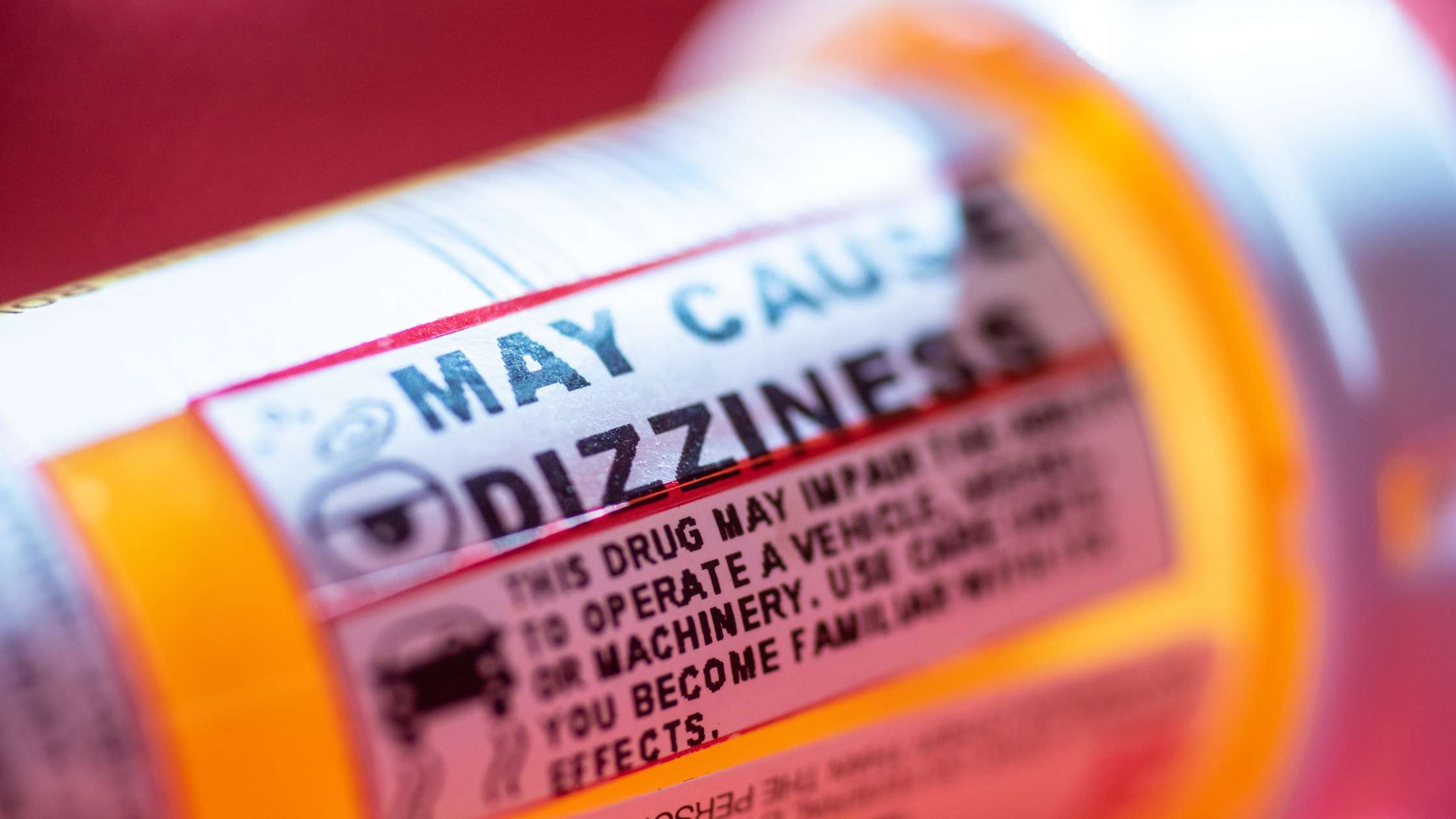
Critical Safety Warnings:
- Risk of Precipitated Withdrawal: As mentioned above, do not take your first dose of Suboxone until you are in active withdrawal, as instructed by your provider.
- Risk of Respiratory Depression: The most serious risk is slowed or stopped breathing. This risk becomes extremely high if you mix Suboxone with other central nervous system depressants, such as benzodiazepines (Xanax, Klonopin), alcohol, or sedatives. Be completely honest with your provider about all substances you use.
- Physical Dependence: Suboxone is an opioid, and your body will become physically dependent on it. This is an expected part of treatment and is not the same as addiction (which involves compulsive, harmful use). You should never stop taking Suboxone abruptly, as this will cause withdrawal. When you and your doctor decide it's time, you will taper off the medication slowly and safely.
Common Side Effects: Most side effects are mild and often improve as your body adjusts. They can include:
- Constipation
- Headache, nausea, or vomiting
- Drowsiness or dizziness
- Sweating
- Dry mouth
Talk to your provider about any side effects you experience, as they can often be managed. Seek immediate medical attention for any serious symptoms like severe confusion, fainting, or signs of an allergic reaction.
5. The SobrietyMeds Commitment: A Better Path to Recovery
We know you may have heard stories about telehealth clinics that are impossible to reach or that treat you like a number. We built SobrietyMeds to be different. Our entire model is built on trust, compassion, and reliability.
- Judgment-Free, Compassionate Care: Our licensed providers understand addiction and are here to support you, not judge you.
- Reliable Support: We believe in clear and consistent communication. You will have access to our team for questions and support when you need it.
- Transparent and Simple: No hidden fees or surprise bills. We provide clear information about the cost of treatment so you can focus on your health.
- Confidential and Secure: Your privacy is our priority. Our telehealth platform is 100% HIPAA-compliant and secure.
Frequently Asked Questions around Suboxone (FAQ)

Is getting a Suboxone prescription online safe and legal? Yes. When provided by a legitimate, licensed telehealth platform like SobrietyMeds, online Suboxone treatment is a safe, legal, and effective way to access care. Our providers are DEA-certified to prescribe Suboxone via telemedicine.
Will Suboxone show up on a drug test? Buprenorphine requires a specific, separate test and will not show up as a "positive" for other opioids like heroin or oxycodone on a standard drug screen. If you are in a program that requires drug testing, your prescription is your medical justification for the presence of buprenorphine.
How long will I be on Suboxone? There is no set timeline. The goal is to provide stability for as long as you need it to build a strong foundation in recovery. For many, this means at least one to two years, while others may benefit from longer-term treatment. The decision is always made between you and your provider.
What's the difference between Suboxone and Subutex? Subutex contains only one active ingredient: buprenorphine. Suboxone contains both buprenorphine and naloxone. Suboxone is now the standard of care because the naloxone helps prevent misuse.
Take the First Step Toward Recovery
You have already taken the hardest step by deciding to seek help. Suboxone treatment can give you the breathing room you need to heal your body and mind. At SobrietyMeds, we are here to provide the expert medical care and unwavering support you deserve.
Ready to see if Suboxone is right for you? Schedule your confidential, judgment-free assessment with a SobrietyMeds provider today.
Sources:




-2.jpg)